
Open to ML · AI · Research Engineering roles
Satwik Shreshth
Satwik Shreshth holds a Master of Computer Applications (CGPA: 8.58) from Sikkim University and has qualified UGC NET Level 3. His work takes shape at the intersection of machine learning and the physical world — systems that do not simply process data in the abstract but engage with hardware, sensors, and environments directly. This focus has carried across autonomous robotics, resource-constrained edge AI, and the analysis of complex natural landscapes through remote sensing.
Building Intelligent Systems
Machine Learning and Research Engineer working across computer vision, remote sensing, embedded systems, and autonomous robotics.
Satwik Shreshth is a Machine Learning and Research Engineer. He holds a Master of Computer Applications from Sikkim University (CGPA: 8.58) and has qualified UGC NET Level 3. He carried out his dissertation research at CSIR-CMERI's Micro Robotics Laboratory in Durgapur. His work covers the full life cycle of applied AI, from data collection and model design through to statistically validated deployment on resource-constrained hardware.
At CSIR-CMERI he developed the Tripathagamini-S series, a four-version autonomous robot that grew from YOLO vision-guided navigation into a hybrid ML and PID architecture with 99.6% tracking accuracy. His flagship research benchmarks 22 machine learning and deep learning models for land use / land cover classification over East Sikkim using Sentinel-1, Sentinel-2, and SRTM data.
He builds systems that hold up outside the lab — proving Lyapunov stability for a controller before trusting it, getting real-time inference out of a Raspberry Pi CPU, and running 5-fold cross-validation on a custom transformer before quoting its numbers.
AI & Machine Learning
End-to-end ML across classical models, gradient boosting, deep networks, and transformers, tuned with Optuna and benchmarked under rigorous cross-validation.
Computer Vision
YOLO detection and instance segmentation, OpenCV pipelines, homography-based tracking, and ONNX-optimized real-time inference on edge devices.
Remote Sensing
Multi-source satellite analytics with Sentinel-1 SAR, Sentinel-2 optical, and SRTM terrain data through Google Earth Engine and QGIS workflows.
Embedded AI
Deep learning deployed where it is hardest: quantized, ONNX-converted models running in real time on Raspberry Pi, Arduino, and ESP32 hardware.
IoT Systems
Sensor-to-cloud architectures: multi-sensor acquisition, SQLite buffering, and live sync to Firebase and ThingSpeak behind Flask REST APIs.
Research
Hypothesis-driven experimentation with 40-trial controlled studies, effect sizes (Cohen's d), formal stability proofs, and publication-style reporting.
Robotics
Autonomous navigation with hybrid ML + PID control, differential drive, IR sensor arrays, and vision-guided path following at 100 Hz control rates.
Problem Solving
Comfortable owning ambiguous problems end to end: decomposing them, prototyping fast, and iterating against measurable success criteria.
Results at a Glance
Real charts from real experiments. Click any figure to view it full size.
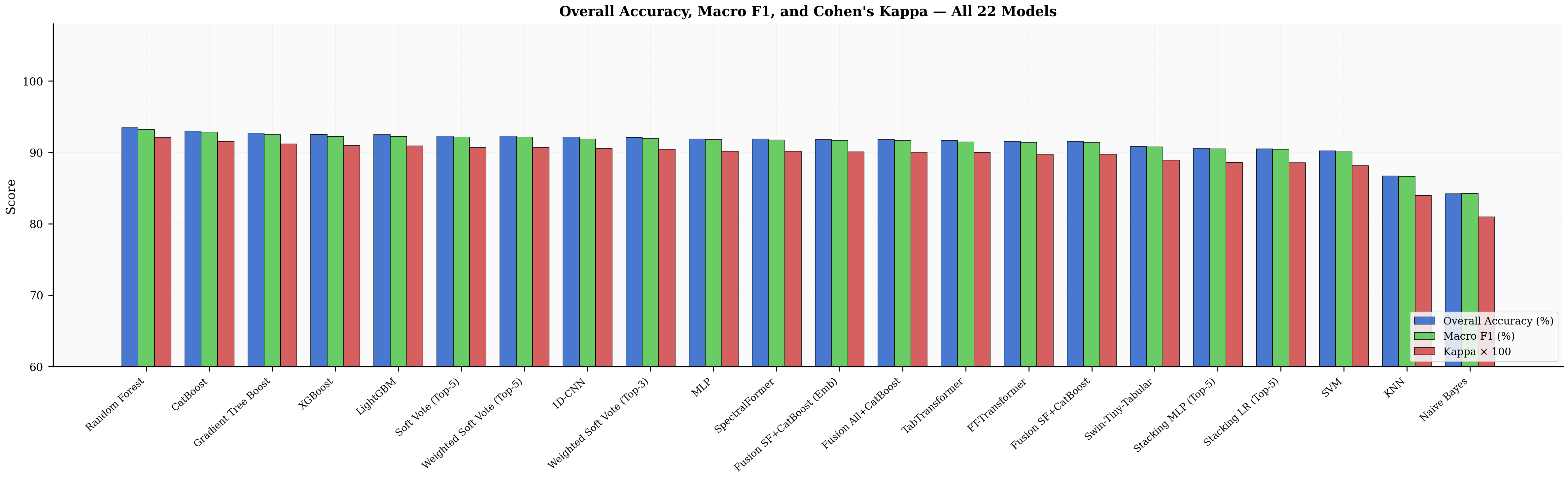
Publication-style comparison of 22 ML, DL, and transformer models on Himalayan land cover classification from Sentinel-1, Sentinel-2, and SRTM data.
See the research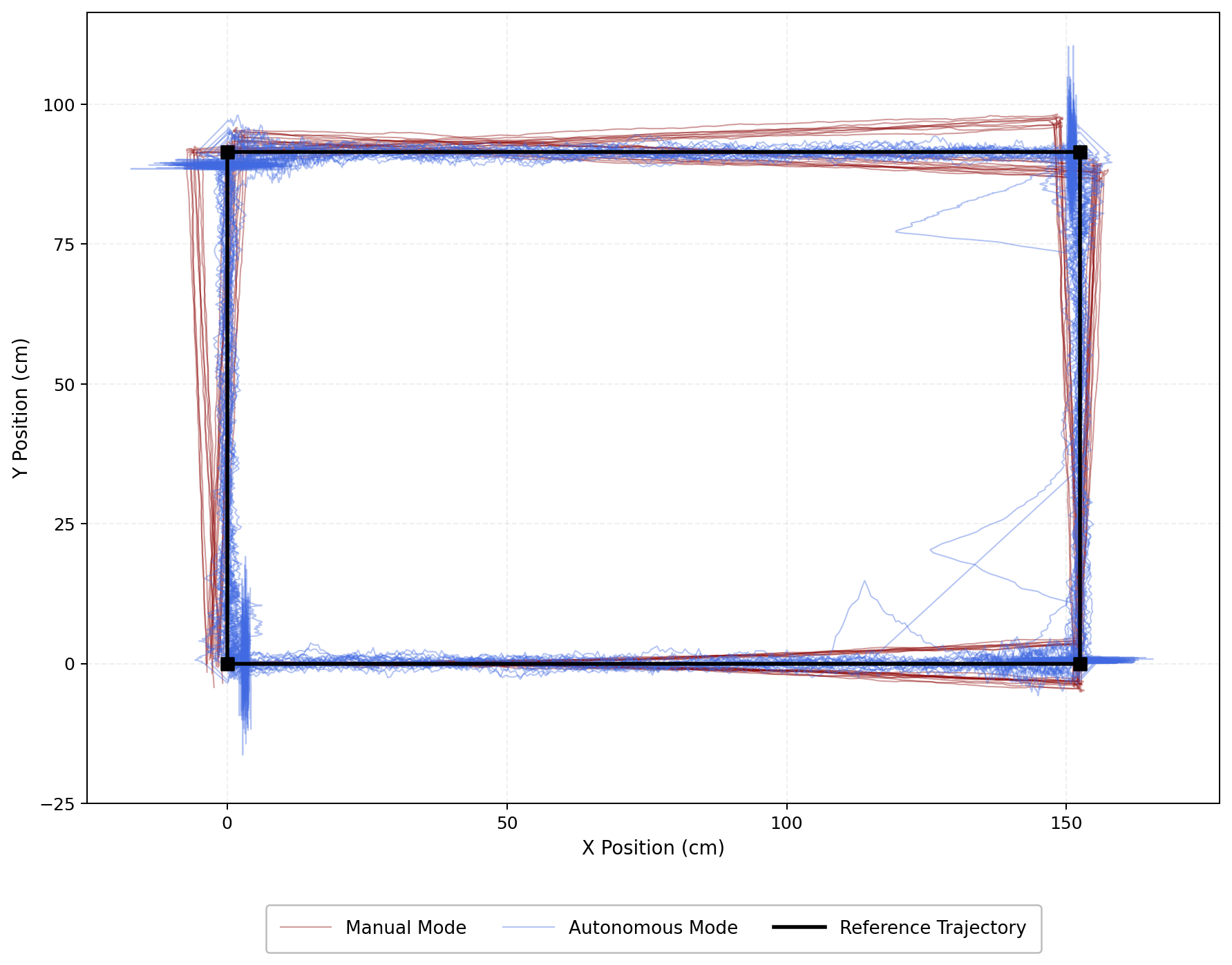
40-trial controlled study at CSIR-CMERI: YOLO + PID autonomy cut tracking error from 16.77 cm to 2.12 cm with Cohen's d = 8.944.
See the study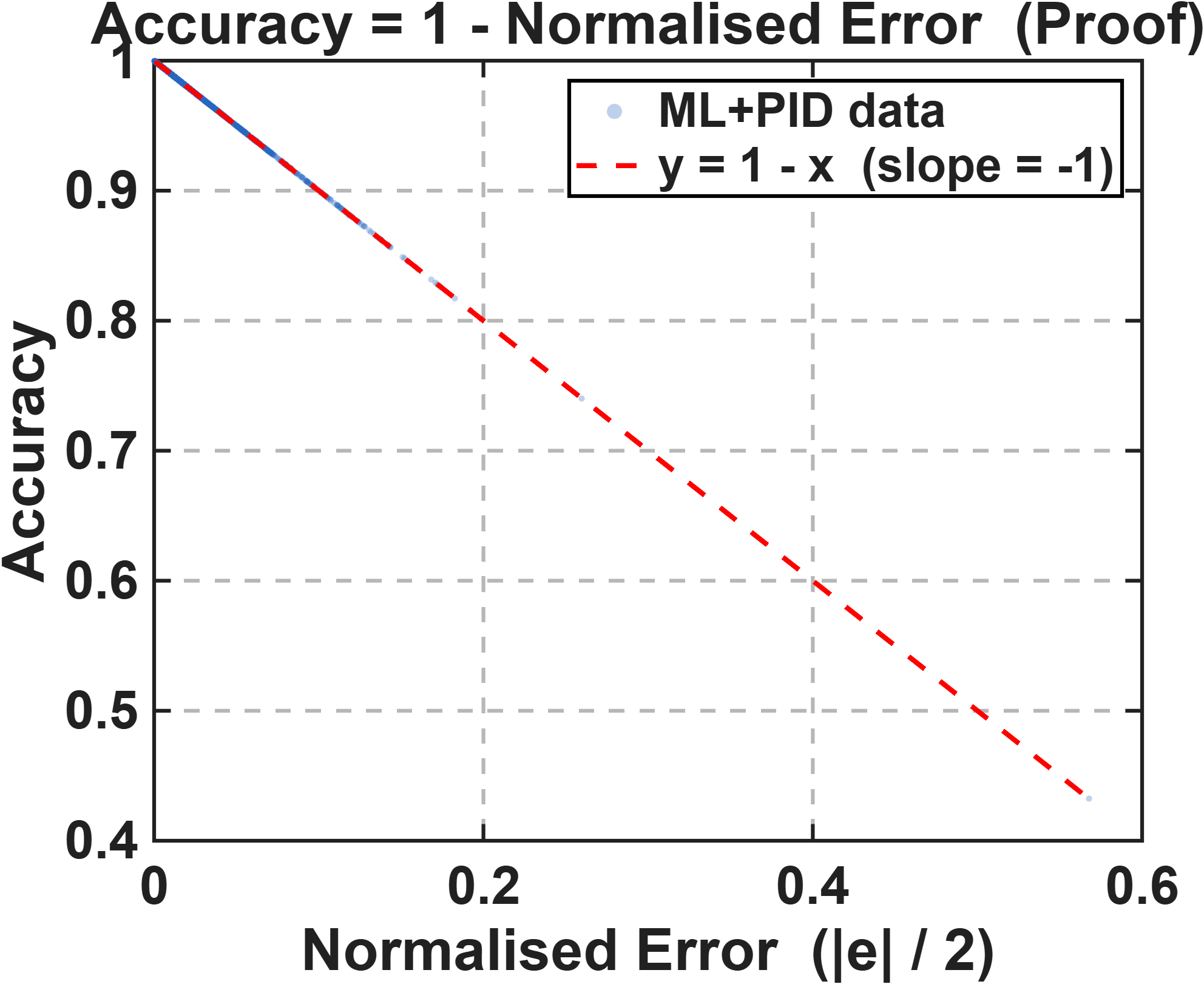
Random Forest residual predictor layered on a PID loop, trained on 208,983 time steps, with Lyapunov stability formally proven.
See the robotOpen to Research and Engineering Roles
I am currently seeking positions in Machine Learning, Computer Vision, Remote Sensing, and Research Engineering.